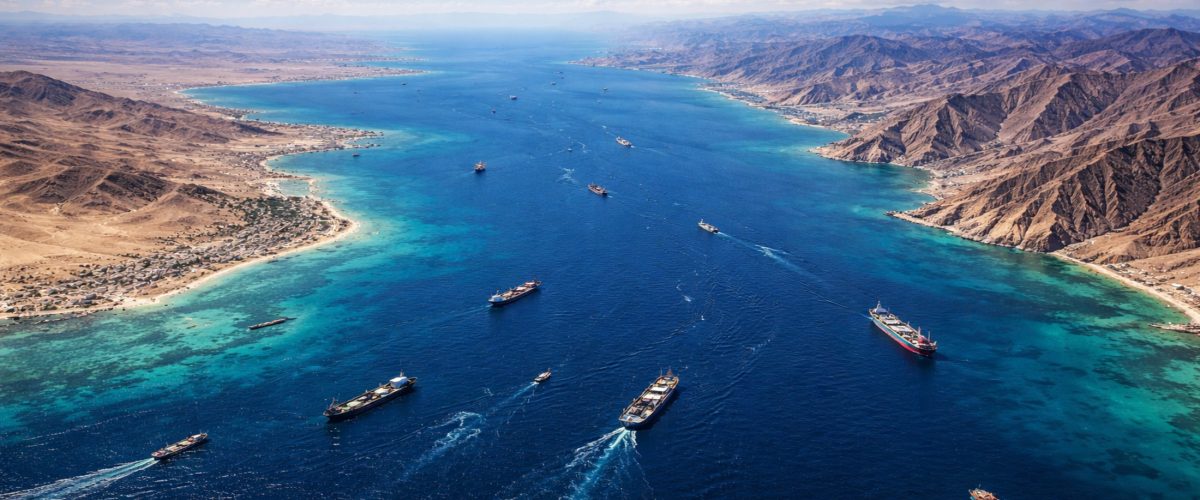
The Strait of Hormuz is a narrow waterway, measuring roughly 33 kilometres at its narrowest point, located between Iran to the north and Oman and the United Arab Emirates to the south. The strait is one of the world’s most critical maritime chokepoints, carrying about one-fifth of all oil transported by sea globally.
Iran’s Islamic Revolutionary Guard Corps (IRGC) announced that the strait is now closed to vessels from the United States, Israel, Europe, and their Western allies. The statement was issued on March 5 through Iran’s state broadcaster, Islamic Republic of Iran Broadcasting (IRIB).
The move has already affected shipping activity in the region, raising concerns about potential oil and gas supply disruptions for Asian economies. China and India are among the largest destinations for oil and liquefied natural gas (LNG) transported through the strait.
Earlier in the week, Iran indicated that Chinese-flagged vessels would be allowed to transit the waterway, describing the decision as a gesture of appreciation for Beijing’s stance toward Tehran since the conflict began. This suggests that non-Western countries may still be able to move vessels through the strait, despite the restrictions.
Historically, even during the Iran–Iraq War (1980–1988), merchant vessels continued operating in the region despite repeated attacks on oil tankers. The IRGC stated that the current decision aligns with Iran’s rights under international law during wartime.
The force also warned that ships linked to the United States, Israel, Europe, or their supporters entering the waterway could face military action.