Uncategorized

From Port to Deck: Another Successful Chandling Operation

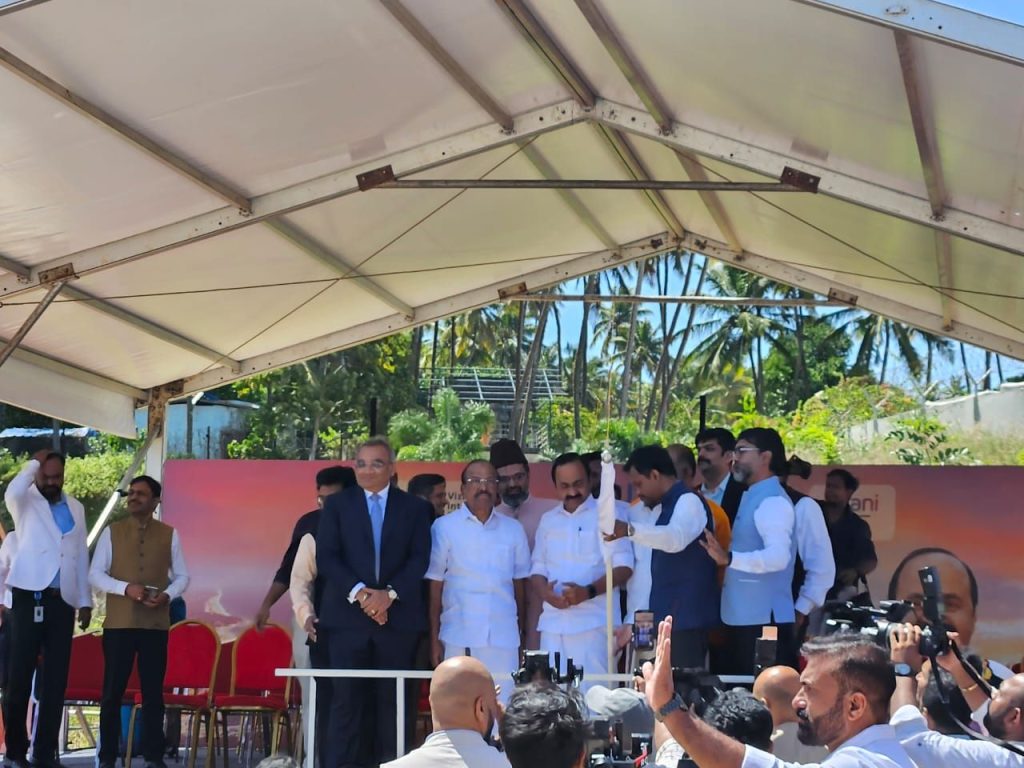
Written By: Team GSL Another Vessel, Another Success We are pleased to announce the successful completion of a ship provisions supply operation at the Vizhinjam International Seaport in Trivandrum, Kerala. Our team efficiently coordinated the delivery of high-quality provisions, ensuring the vessel received all required supplies on time and in compliance with port standards. From Dock to Deck: Ship Chandling Success GSL is proud to announce the successful completion of a comprehensive ship provisions supply operation for the vessel ESCADA at the Vizhinjam International Seaport in Trivandrum, Kerala. The operation included the timely and efficient delivery of a wide range of provisions, such as fresh fruits and vegetables, chocolates, soft drinks, frozen items, and general ship supplies, ensuring the vessel was fully stocked and ready for its voyage. Our dedicated team at GSL ensured all items were handled with care and delivered according to port standards, reflecting our commitment to reliable, high-quality ship chandling and marine supply services. This successful operation reinforces GSL’s role as a trusted partner in supporting seamless maritime logistics and vessel operations at Vizhinjam Seaport.

From Port to Deck: Another Successful Chandling Operation Read More »

Hormuz Crisis: Iran to Block Only US, Israeli and European Ships, Offering Possible Relief for India

The Strait of Hormuz is a narrow waterway, measuring roughly 33 kilometres at its narrowest point, located between Iran to the north and Oman and the United Arab Emirates to the south. The strait is one of the world’s most critical maritime chokepoints, carrying about one-fifth of all oil transported by sea globally. Iran’s Islamic Revolutionary Guard Corps (IRGC) announced that the strait is now closed to vessels from the United States, Israel, Europe, and their Western allies. The statement was issued on March 5 through Iran’s state broadcaster, Islamic Republic of Iran Broadcasting (IRIB). The move has already affected shipping activity in the region, raising concerns about potential oil and gas supply disruptions for Asian economies. China and India are among the largest destinations for oil and liquefied natural gas (LNG) transported through the strait. Earlier in the week, Iran indicated that Chinese-flagged vessels would be allowed to transit the waterway, describing the decision as a gesture of appreciation for Beijing’s stance toward Tehran since the conflict began. This suggests that non-Western countries may still be able to move vessels through the strait, despite the restrictions. Historically, even during the Iran–Iraq War (1980–1988), merchant vessels continued operating in the region despite repeated attacks on oil tankers. The IRGC stated that the current decision aligns with Iran’s rights under international law during wartime. The force also warned that ships linked to the United States, Israel, Europe, or their supporters entering the waterway could face military action.

Hormuz Crisis: Iran to Block Only US, Israeli and European Ships, Offering Possible Relief for India Read More »

Sagarmala Programme

Massive boost for the shipping industry; New initiatives are set to be approved by the cabinet Cabinet will reportedly approve a 70,000-crore Shipping sector Boost The Indian government is expected to approve a 70,000-crore package aimed at accelerating the growth of the shipping and maritime sector. This move aligns with the broader Sagarmala initiative, which seeks to drive port-led development and modernize India’s maritime infrastructure.In the Union Budget 2024, Finance Minister Nirmala Sitharaman announced several measures to strengthen India’s maritime ecosystem, including the creation of a Maritime Development Fund (MDF) with a 25,000-crore corpus to support port and shipping infrastructure projects. Vizhinjam Port under Sagarmala The Vizhinjam International Deepwater Multipurpose Seaport, located near Thiruvananthapuram, Kerala, is one of the key projects under the Sagarmala initiative. Key Features and Developments: Phases 2 and 3 of development aim to expand capacity to 4.5 million TEUs by 2028. Extension of the breakwater to improve protection and docking facilities. The expansion will increase cargo handling diversity and boost tourism through cruise operations. Addition of: A break-bulk berth A tanker berth A bunkering facility A multipurpose berth for cruise ships Strategic Importance: Located just 10 nautical miles from the international east-west shipping route. Offers natural deepwater depth (over 20 meters), minimizing dredging costs. Expected to reduce logistics costs and increase India’s share in global maritime trade.

Sagarmala Programme Read More »

error: Content is protected !!